
New Johns Hopkins Findings
A One-Time Cash Payment Helped Prevent Youth Homelessness
9 in 10 young people stayed out of the homelessness system within 6 months.
↓

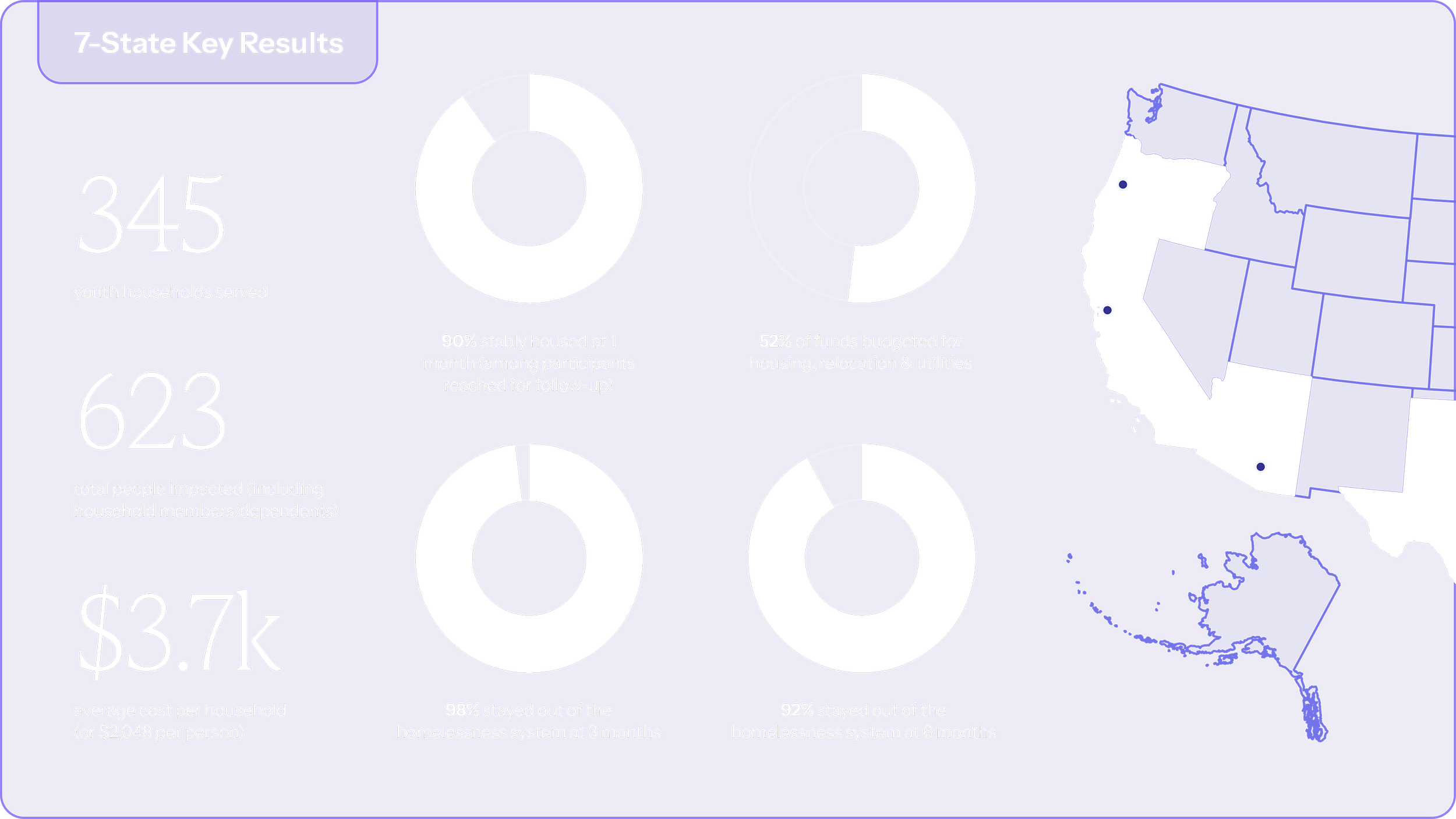
New research from Johns Hopkins shows that one-time direct cash can help prevent youth homelessness. In Point Source Youth’s seven-state pilot direct cash program, 92% of participants stayed out of the homelessness system within six months of receiving support. The program provided tailored cash support averaging $3,700 within 48 hours, helping young people stay housed before a crisis escalated.


What We Found
1. Housing stability improved quickly
At one month, 90% of participants reached for follow-up reported being stably housed.
2. Direct cash helped youth stay out of the homelessness system
Administrative records from local homelessness-service databases showed that 98 percent had not accessed homelessness services within three months of receiving support, and 92 percent had not done so within six months.
3. Youth used funds to prevent housing loss
Most planned spending went to housing, relocation, and utilities (52%), followed by essentials like transportation, groceries/toiletries, and debt/savings.


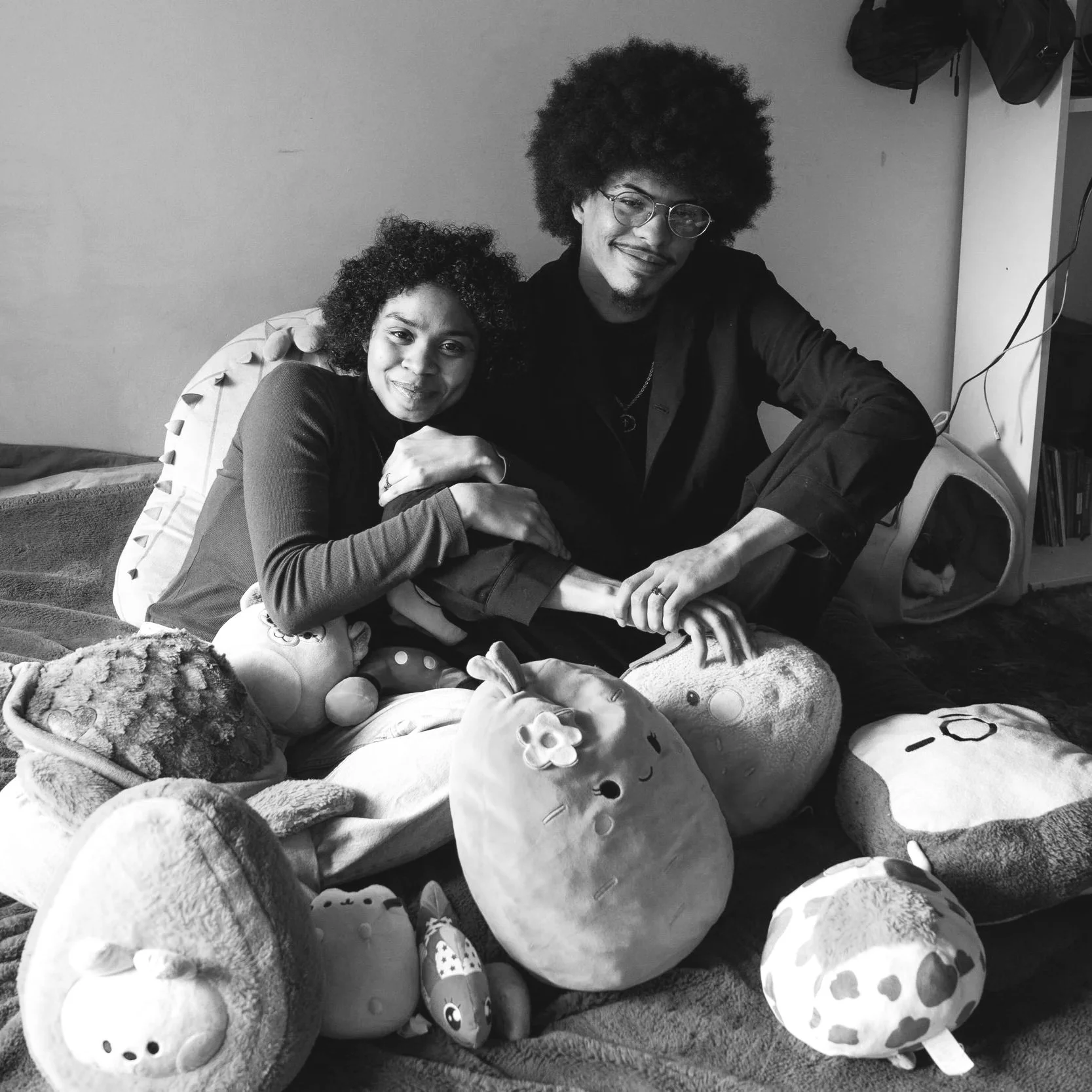
Ky’ree & Alia
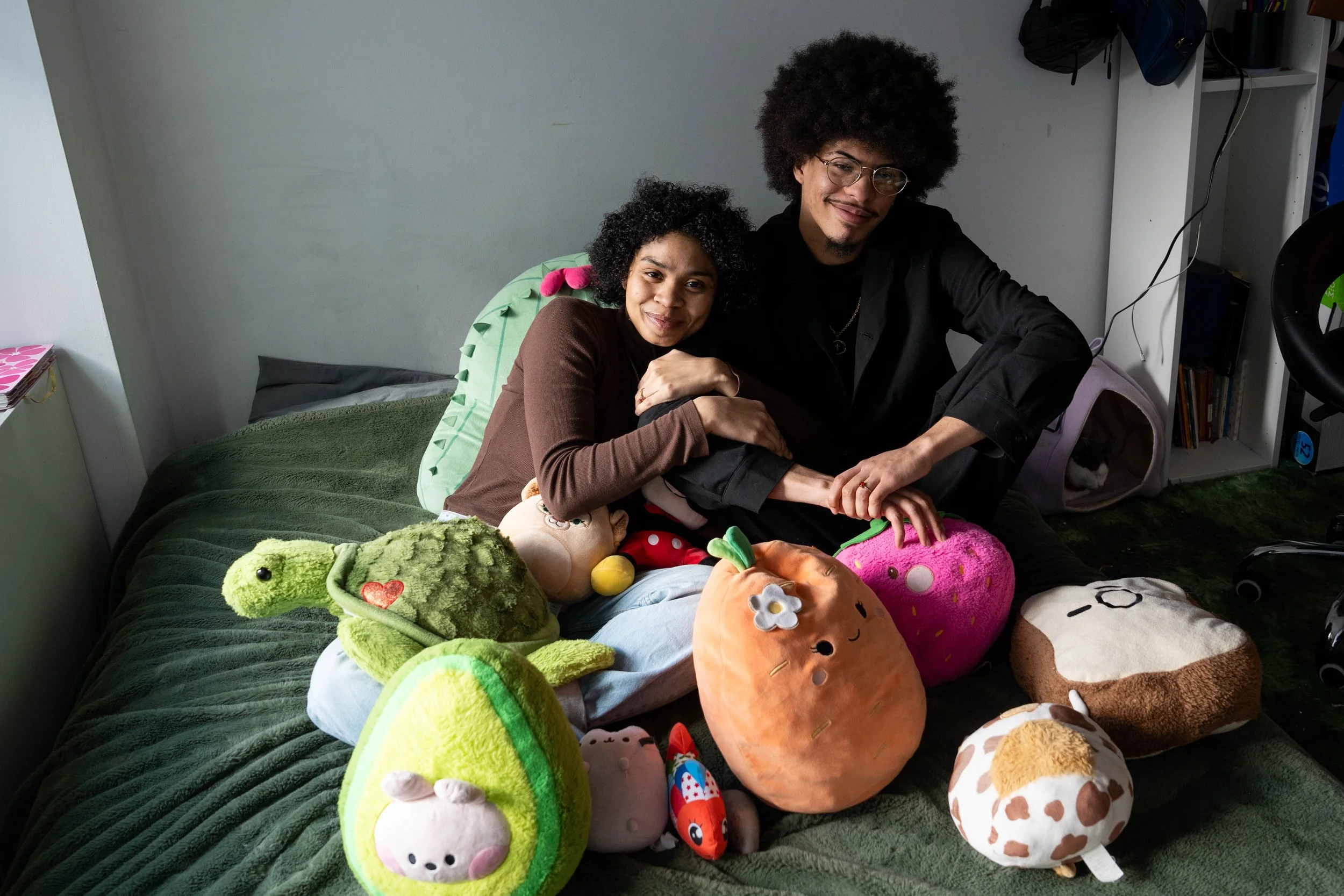
Ky’ree Taylor and his fiancée, Alia Rosa Pascual Taylor, moved into their New York City apartment with nothing after months of homelessness—no savings, almost no clothing, no furniture, and no money for basic bills. With Ky’ree between jobs, they needed a bridge to stability. After receiving direct cash, they caught up on bills, bought furniture, clothes, and toiletries, and even traveled to reconnect with estranged family.
Photo credit: Jordana Bermúdez
How does the Program work?
The direct cash program is a youth-centered intervention designed for one simple reality: many young people can avoid homelessness if they get the right support quickly and without unnecessary red tape.
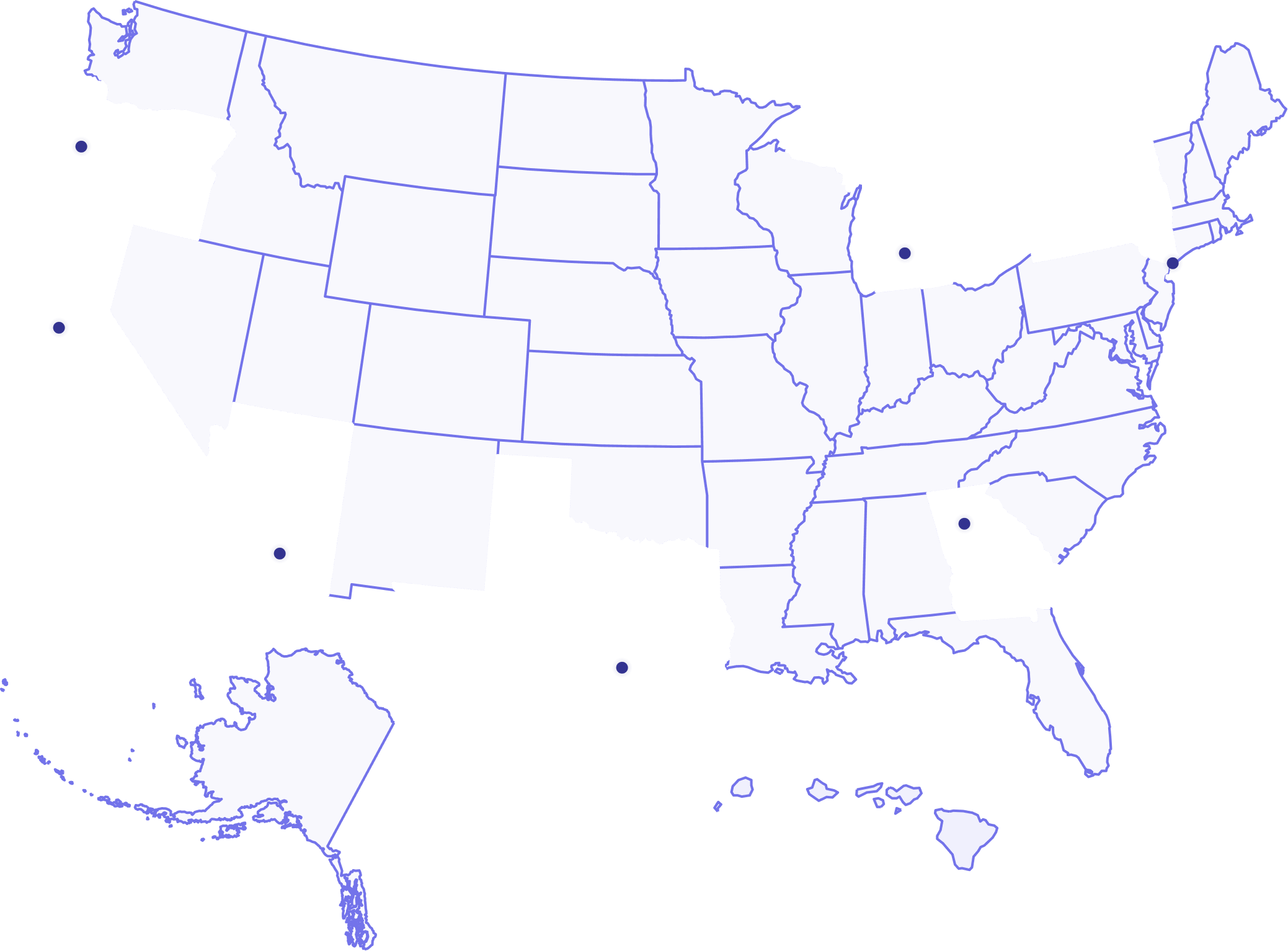
Across sites in Arizona, California, Georgia, Michigan, New York, Oregon and Texas, the program served 345 participants, impacting 623 including household members.
The program is modeled after Washington State’s Homelessness Prevention and Diversion Fund (HPDF), which has reported strong housing outcomes at 12 months.
The program provides:
A budget plan to identify what’s driving the crisis and what it will take to resolve it.
A housing plan created with a trained provider and grounded in the young person’s goals.
A one-time cash payment delivered quickly to support the plan.
Optional, youth-directed supports through local partners (like housing navigation, financial coaching, employment help, and life skills).

Valeria
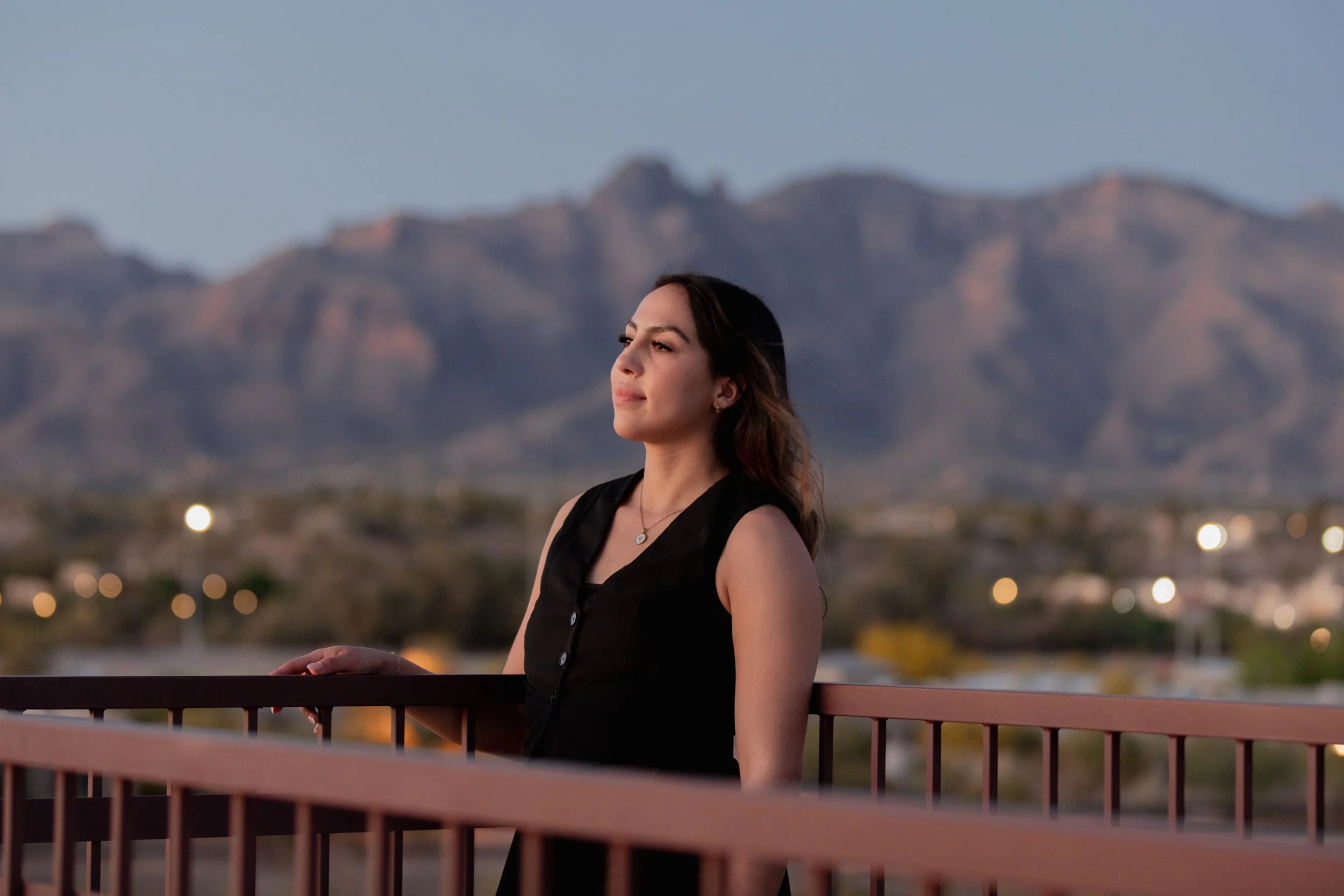
Valeria Mendoza, 22, couch-surfed from age 12 and pushed her way to a college degree—but after graduating from the University of Arizona, she suddenly faced a housing crisis when her scholarship-funded housing ended. With direct cash, she found support and community she calls “life changing.”
Photo credit: Courtney Pedroza
Expanding the Model
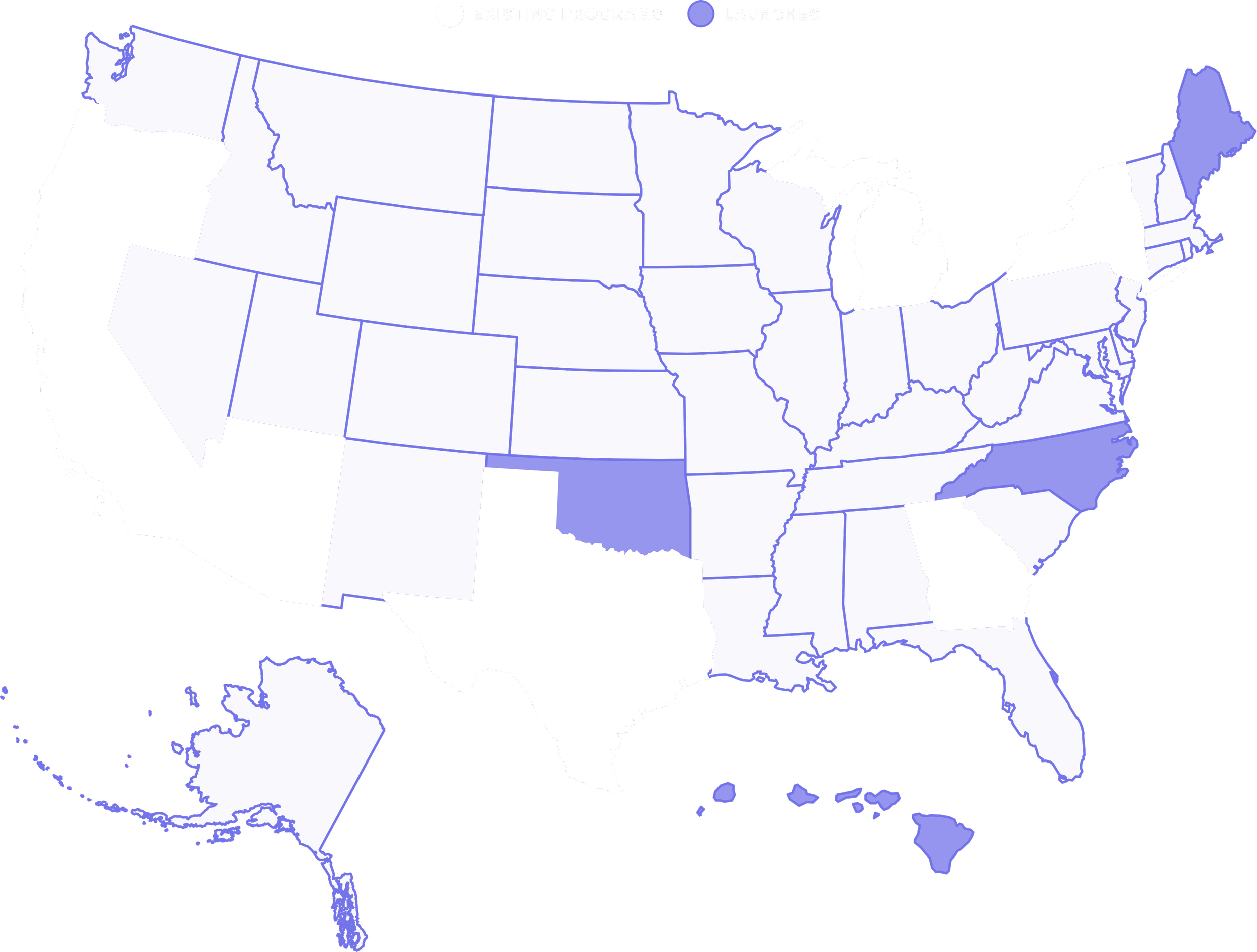
The findings make a clear case for scaling this work: We are now expanding the program to reach 1,000 young people with $3 million in cash support across California, New York, Michigan (Detroit + Grand Rapids), and Oregon, with new launches in Hawai‘i, Maine, North Carolina, and Oklahoma.
State-by-State Findings
-
Tucson:
Point Source Youth partnered with Youth On Their Own in Tucson, where 27 young people took part in the program. 91% were not found in administrative records from local homelessness-service databases six months after receiving support. Read the summary
-
Contra Costa County:
Point Source Youth partnered with RYSE in Contra Costa, where 40 young people took part in the program. 94% were not found in homelessness records six months after receiving support. Read the summary
Los Angeles CountyWe have also expanded the program into Los Angeles with CASH LA. AMAAD led the first phase, and in spring 2026, Safe Place for Youth will bring CASH LA to even more young people. Learn more
-
Atlanta:
Point Source Youth partnered with Youth Empowerment Success Services in Atlanta, where 45 young people took part in the program. 100% were not found in homelessness records six months after receiving support. Read the summary
-
Grand Rapids:
Point Source Youth partnered with AYA Youth Collective in Grand Rapids, where 45 young people took part in the program. 86% were not found in homelessness records six months after receiving support. Read the summary. Learn more about the next phase of the Grand Rapids program. Read the summary
Detroit:We are also launching Direct Cash Detroit and currently seeking a community service provider to lead the program locally.
-
New York City — Henry Street Settlement:
Point Source Youth partnered with Henry Street Settlement in New York City, where 46 young people took part in the program. 98% were not found in homelessness records six months after receiving support. Read the summary
New York City — The Door:Point Source Youth partnered with The Door in New York City, where 52 young people took part in the program. 97% were not found in homelessness records six months after receiving support. Read the summary
We are expanding the program with the Henry Street Settlement to an additional 50 youth. Learn More -
Lane County
Point Source Youth partnered with Connected Lane County in Lane County, where 56 young people took part in the program. 89% were not found in homelessness records six months after receiving support. Read the summary
Oregon is launching a second round of direct cash prevention to reach at least 60 young people with foster care experience who are at imminent risk of losing housing. Learn more -
Austin:
Point Source Youth partnered with LifeWorks in Austin, where 34 young people took part in the program. 85% were not found in homelessness records six months after receiving support. Read the summary
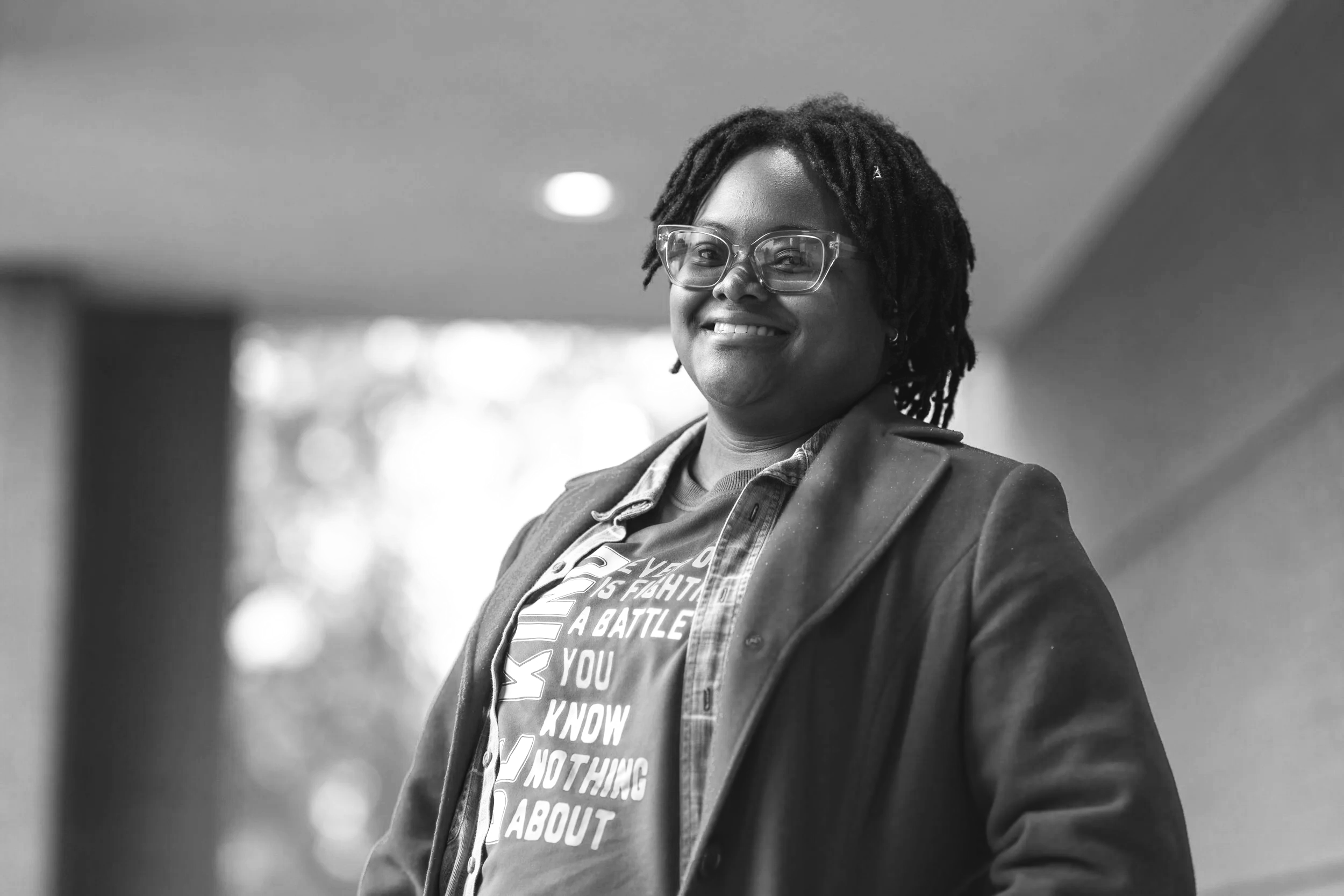
Kolby
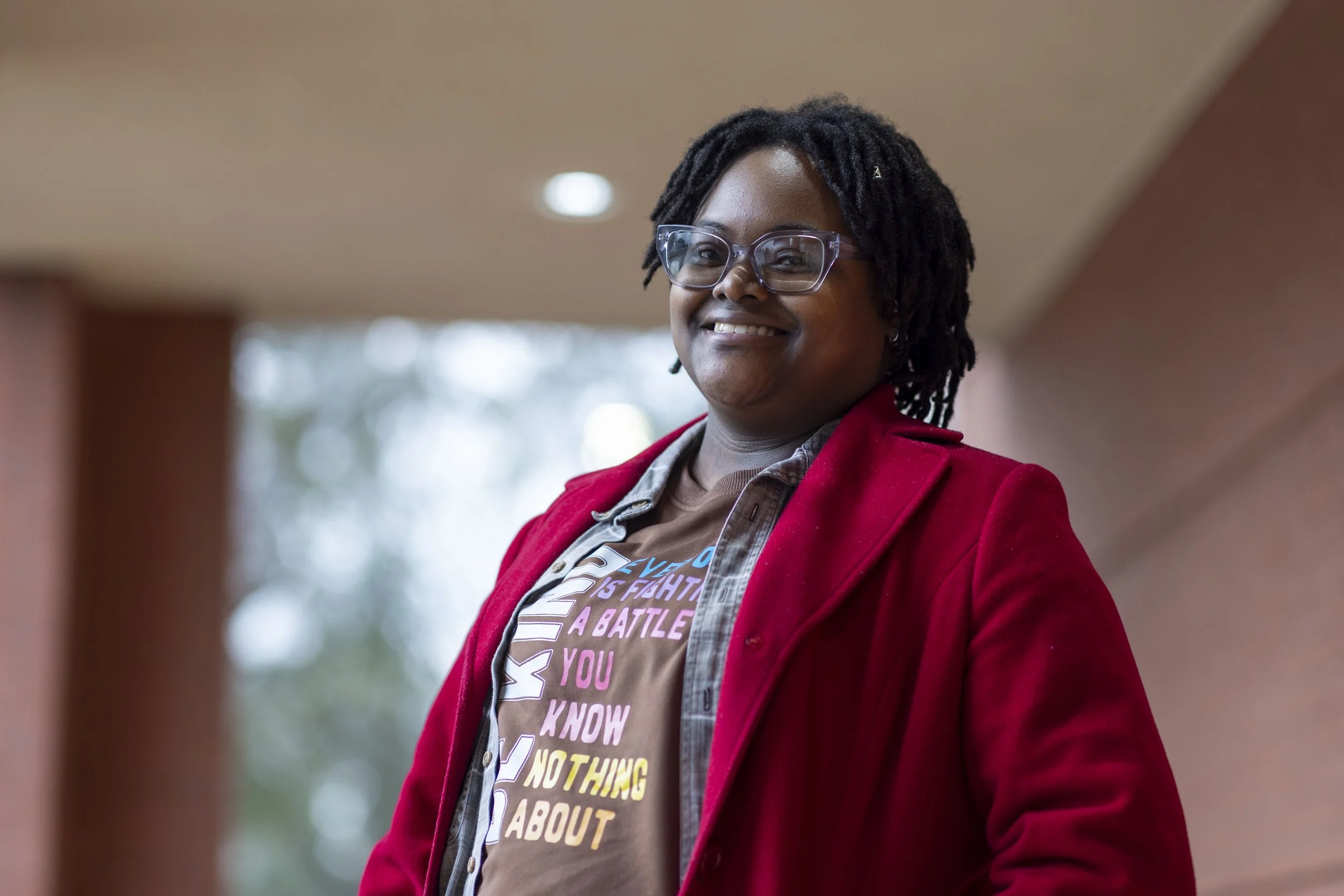
Kolby G. Riser was in graduate school when direct cash for prevention arrived at a critical moment—helping cover a tuition gap and car repairs so she could reach her internship and finish her degree. She remembers the process as fast and flexible, and says she felt “extremely grateful,” because without it she wasn’t sure where the money would have come from.
Photo credit: Alyssa Pointer
Resources