Published on November 19, 2026
New CASH LA Findings: 95.1% Stayed Out of the Homelessness System
Johns Hopkins researcher Amrita Rao shares promising six-month results—and what's next for the research.
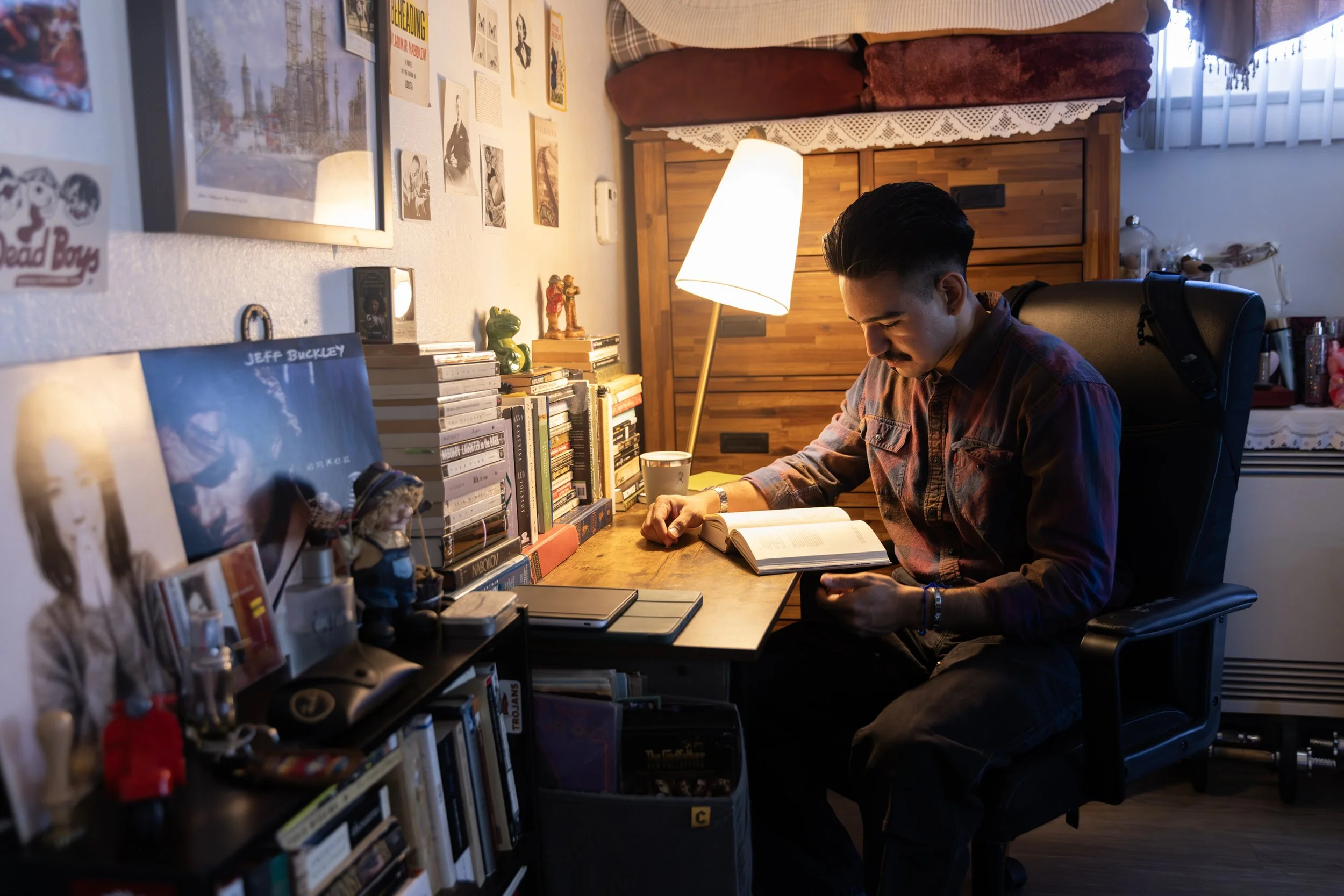
When rising housing costs and his father's injury put his family's finances in jeopardy, Bryan Sánchez-Piñeda, 20, faced the possibility of leaving USC. A one-time $3,500 payment helped him cover rent and stay in school.
(Photo credit: Alisha Jucevic)
By Amrita Rao, PhD • November 19, 2026
Six months after receiving direct cash, 95.1% of young people enrolled in the CASH LA program had not accessed homelessness services.
That's one of the most encouraging findings from our ongoing evaluation of Point Source Youth's direct cash prevention program in Los Angeles. And while there's more we want to learn, these early results give us reason to be optimistic.
I'm Amrita Rao, a researcher at the Johns Hopkins Bloomberg School of Public Health, where we're studying whether providing young people with one-time, flexible cash assistance can help prevent homelessness. Through CASH LA, 101 young people at risk of homelessness received cash paired with individualized housing plans and support from the AMAAD Institute, PSY's local implementation partner.
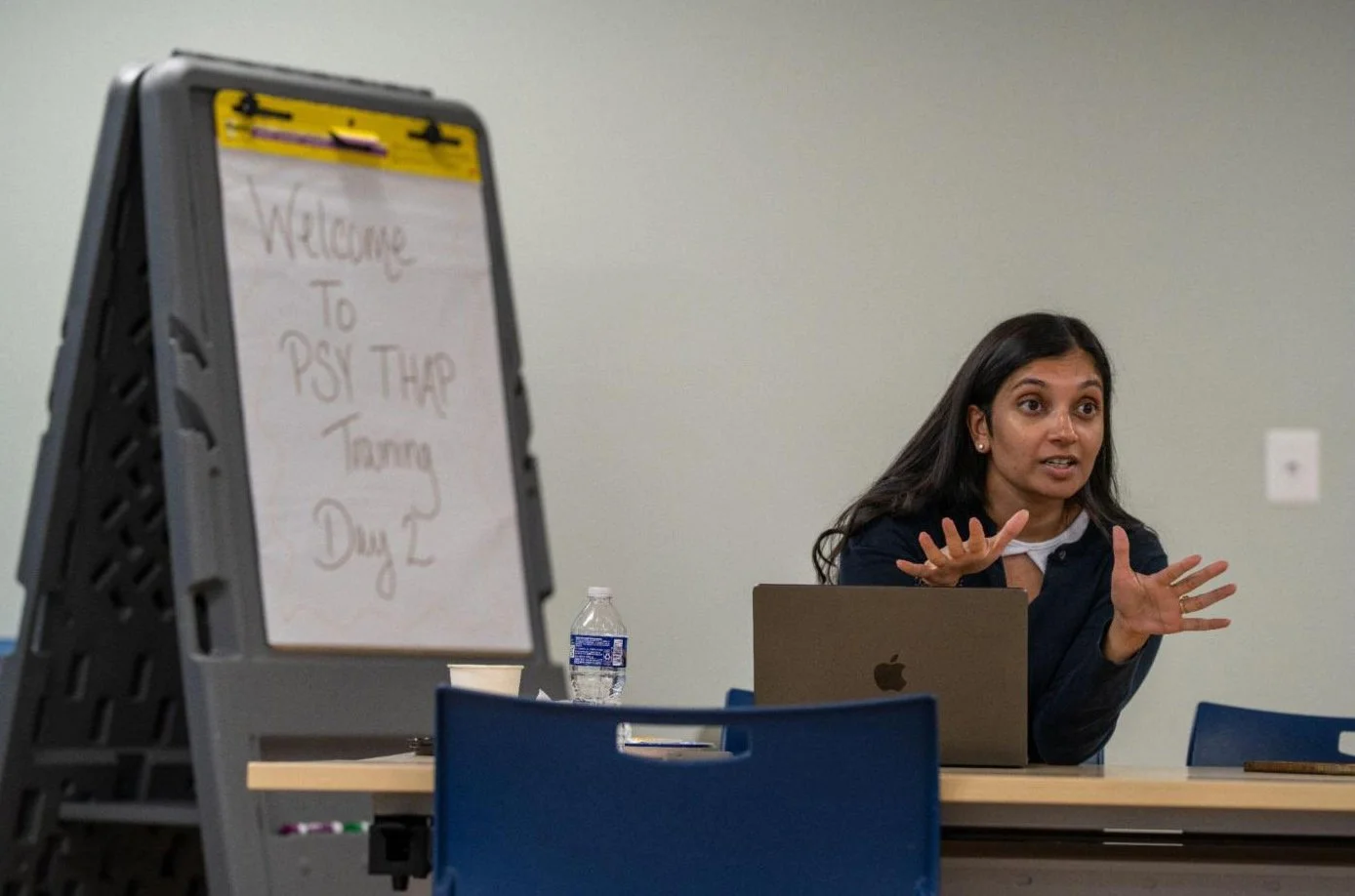
Amrita Rao, PhD, presenting at a direct cash certificate training.
(Photo: André Chung)
Six months later, administrative records showed that 95.1% had not accessed homelessness services. Our surveys offered another encouraging finding: 92.2% of respondents had not experienced literal homelessness at six months. But they also revealed something important that administrative records alone can't capture: some young people were still experiencing housing instability even if they were not literally homeless. Specifically, 5.6% reported couchsurfing or doubling up at one month, increasing to 11.2% at six months. Hearing directly from young people helps us see these less visible forms of instability and design support that responds to them.
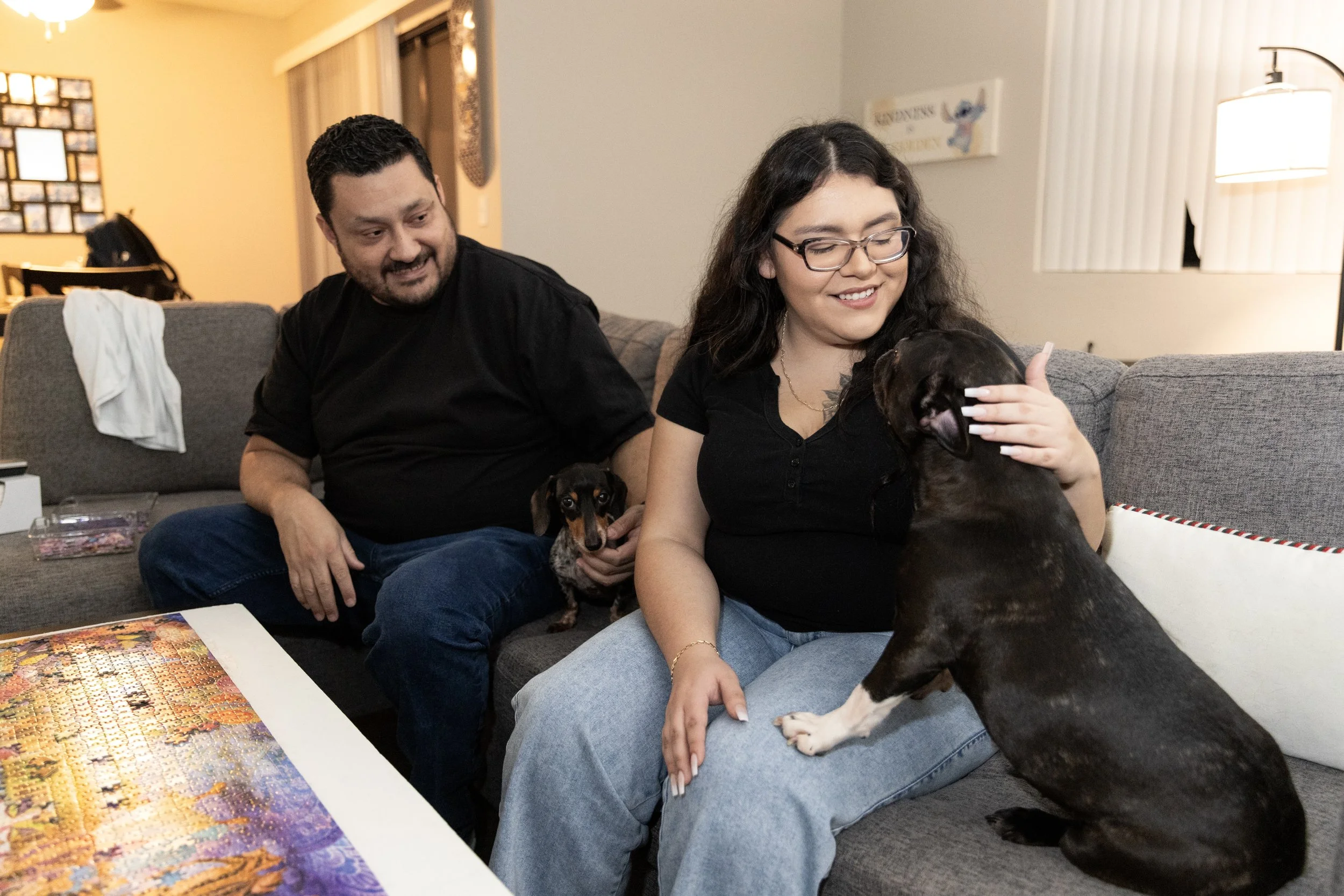
After years of housing instability, a $4,000 CASH LA payment helped 23-year-old Catherine Calvillo catch up on rent and finally feel at home. “This money let me turn off survival mode and breathe like a normal human being.”
(Photo credit: Alisha Jucevic)
In interviews, young people described how CASH LA gave them greater financial flexibility, more control over their immediate needs, and a renewed sense of hope. They also spoke about the importance of supportive staff and a straightforward process. These experiences matter because we're not only interested in whether young people remain housed, but also in what helps them build lasting stability.
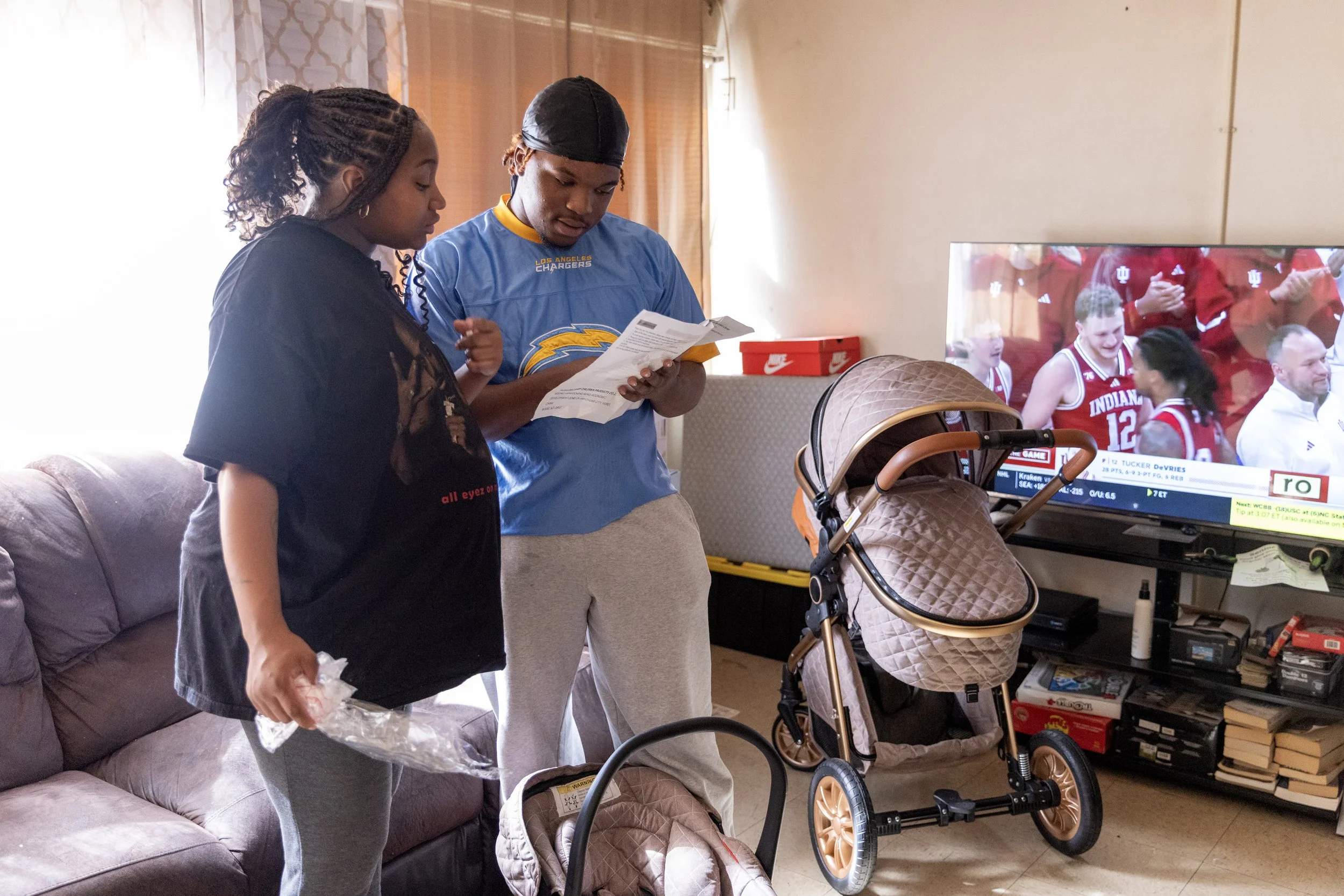
Meah Watson is working toward a home of her own for herself and her baby. With a one-time CASH LA payment, she repaired her car, paid off a tuition bill that threatened her graduation, and is saving the rest for an apartment deposit.
(Photo credit: Alisha Jucevic)
So what's next? We're now completing a second phase of research that will help us answer a critical question: How much of a difference did CASH LA actually make? We're following a comparison group of young people who were eligible for the program but enrolled after the available cash funding was spent down. By comparing their housing outcomes with those of young people who received cash, we can better understand what might have happened without the intervention. Data collection will continue through December 2026, and we anticipate sharing these more comprehensive findings in the summer of 2027.
Our ultimate goal is to understand not just whether direct cash works, but for whom it works, how it works, and what additional support young people may need. We're also studying outcomes related to health, employment, education, and support service use, while collecting similar data across PSY's prevention programs nationwide. I'm excited about what we're learning, and I look forward to sharing the next chapter of this research with you.
Amrita Rao, PhD
Johns Hopkins Bloomberg School of Public Health