Published on Jun 1, 2026
Pride Month 2026
A lot has changed since Stonewall. One thing has not changed enough.
This Pride Month, we’re working toward a future where no young person is left with nowhere to go.
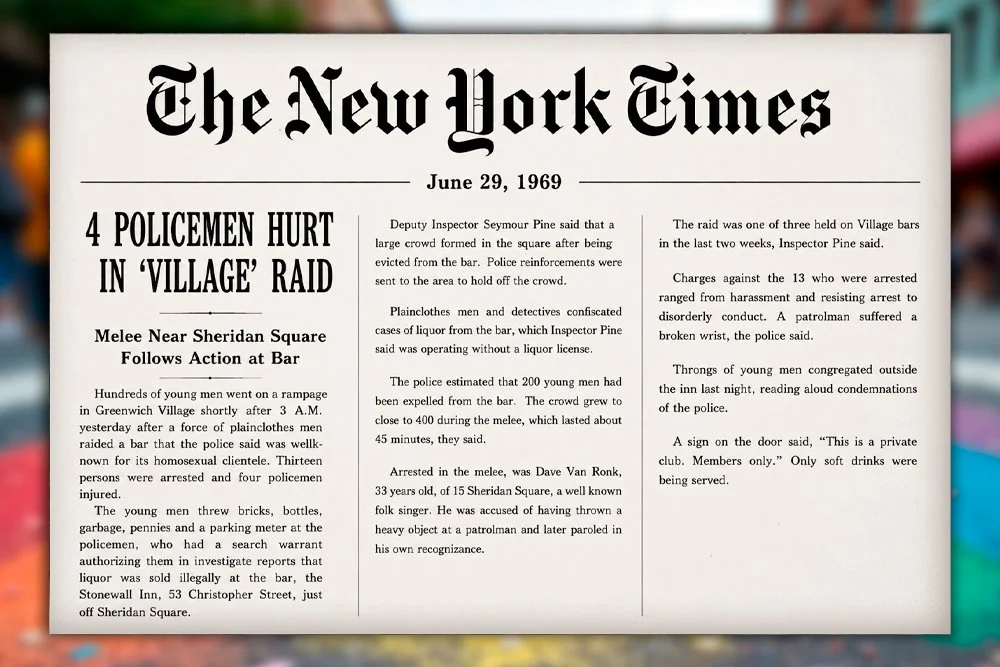
"Hundreds of young men went on a rampage in Greenwich Village shortly after 3 A.M. yesterday after a force of plain-clothes men raided a bar that the police said was well-known for its homosexual clientele."
— The New York Times on June 29, 1969
That “rampage” was the beginning of what we now call the Stonewall Uprising: six days of protest that helped focus and fuel the modern movement for LGBTQ rights in this country. It is also what we honor in Pride parades across the country each June.
But one part of that history is often missed: The history of Pride is also the history of youth homelessness.
Some of the people who resisted the police that night — and in the nights that followed — were homeless LGBTQ youth who lived in Christopher Park across the street from the Stonewall Inn. The Times called them “Village youths.” Some had left home. Others had been kicked out. One was thrown through a glass door. Another said his mother burned his face so no man would be “tempted” by him.
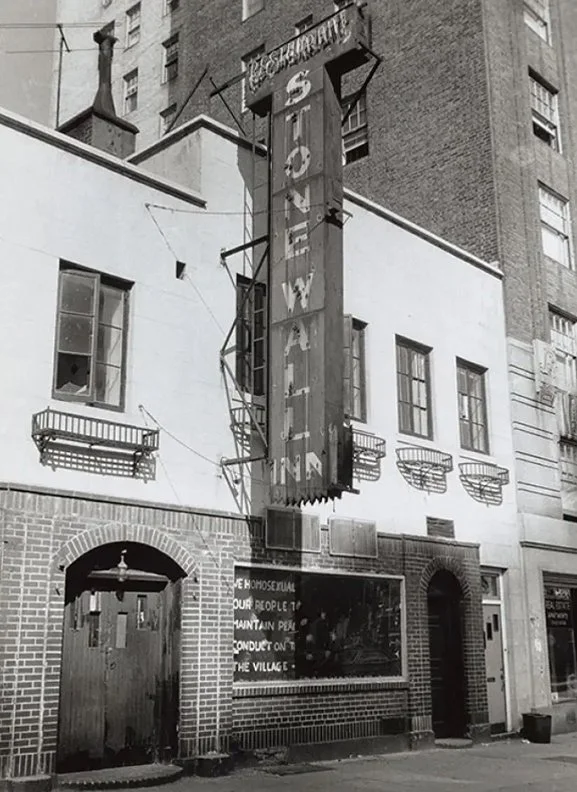
The Stonewall Inn, 1969
Diana Davies, courtesy of the Lionel Pincus and Princess Firyal Map Division, The New York Public Library, Astor, Lenox and Tilden Foundations
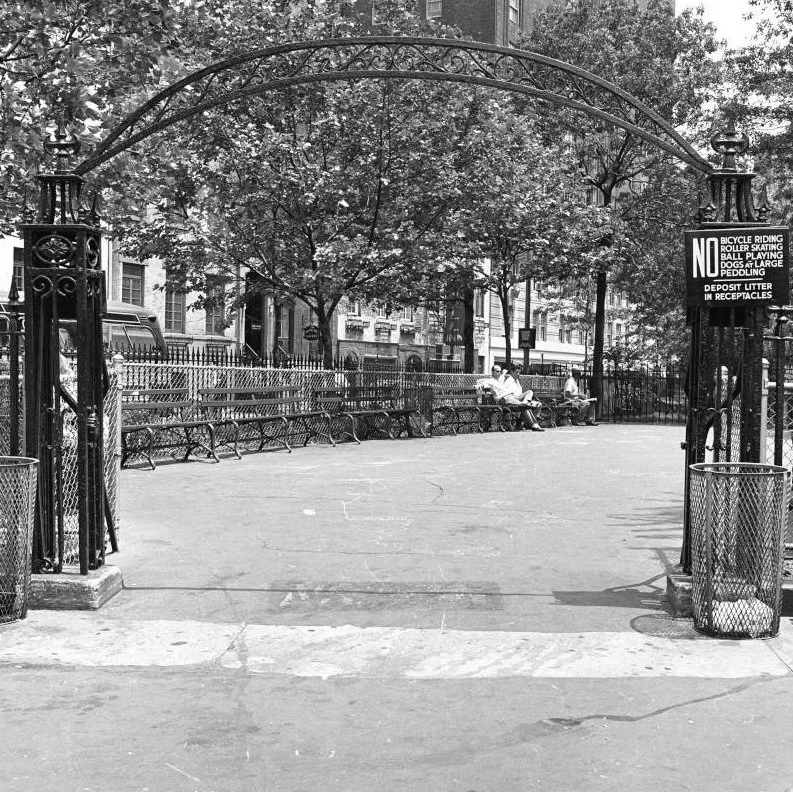
Christopher Park, 1969
New York City Parks Photo Archive Foundations
Those young people were not just witnesses to history that night. They helped make it.
Some formed kick lines in the park, shouting, “We are the Stonewall Girls. We wear our hair in curls…” Danny Garvin watched from a friend’s apartment and later remembered, “The cops just charged with the [nightsticks] and started smacking them in the heads… And for what? A kick line?” The police bats did not stop them. They resisted that night, and for nights after.
A lot has changed since June 1969. But one thing has not changed enough: LGBTQ youth are still far more likely to experience homelessness. Nearly 1 in 3 LGBTQ youth experience homelessness at some point in their lives; that's about twice the rate of young people who are not LGBTQ. This Pride Month, as we honor the bravery, creativity, and resilience of the young people who fought back at Stonewall and the young people still fighting for their right to thrive today, we also have to imagine something more: a future where no young person has to survive homelessness in order to become part of history.
Because many of the youth who resisted police violence that night did not live long lives. “Most of the people I know from back then were already dead within four years after I met them,” said Thomas Lanigan-Schmidt, one of the young people who spent time in the park.
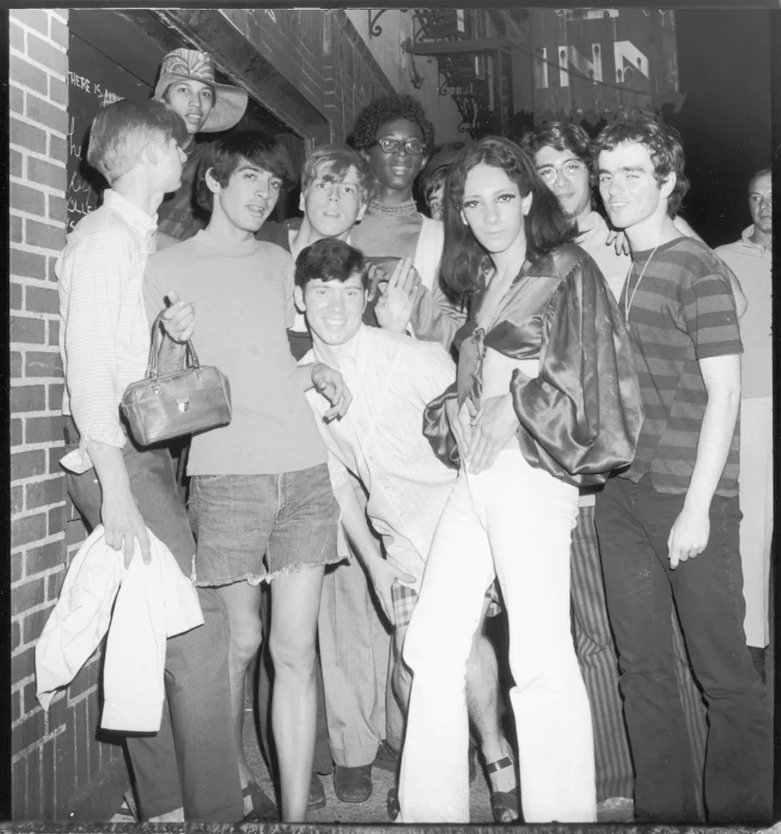
Thomas Lanigan-Schmidt, pictured on the right, outside Stonewall Inn, 1969. Photo credit: Fred W. McDarrah.
This is why prevention matters. No young person should have to lose their housing before help arrives. Direct cash gives young people what they need, when they need it, paired with support from trusted local providers. An evaluation by Johns Hopkins Universityfound that 92% of young people who received one-time direct cash support through our program did not enter the homelessness system within six months.
This Pride Month, we’re doubling down on expanding direct cash, working with elected officials, local partners, and communities across the country to build the support needed so every young person at risk of homelessness can access the cash they need.
Pride began, in part, with young people who had nowhere else to go — and still refused to disappear. Our work is to make sure no young person is left with nowhere to go in the first place.